


In the precise world of healthcare, the secure, organized, and efficient storage of pharmaceuticals and medical supplies is not just a matter of convenience—it is a critical component of patient safety and clinical workflow. The Medicine Cabinet, a cornerstone of medical storage furniture, is engineered to meet this vital need. Far more sophisticated than its residential namesake, a professional hospital medicine cabinet is a specialized storage system designed for safety, compliance, and rapid access. This article explores the essential advantages of these cabinets and the diverse multi-layout configurations that serve every corner of a modern healthcare facility.
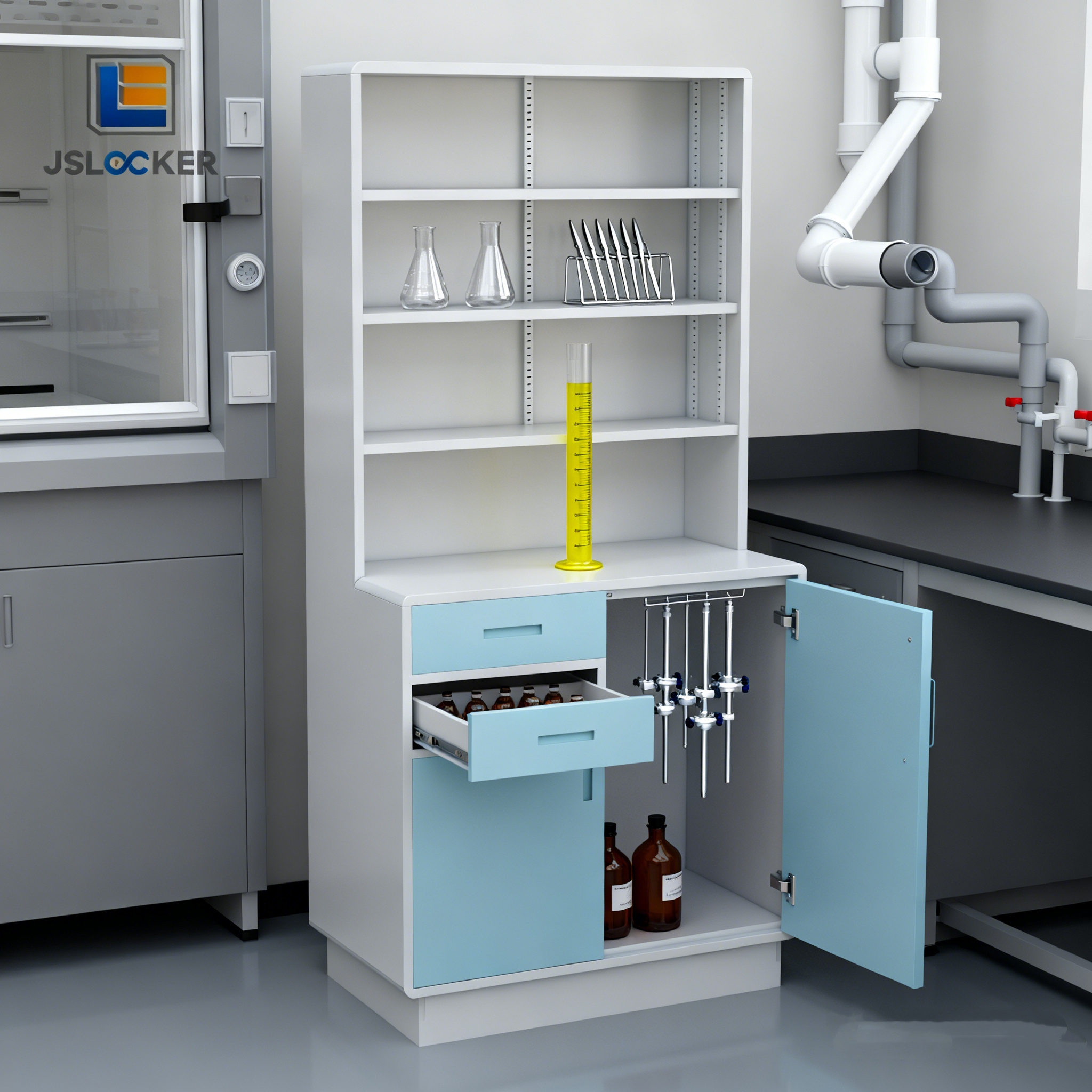
Defining the Professional Medicine Cabinet
A professional Medicine Cabinet is a secure, often lockable storage unit specifically designed for the organized containment of medications, vials, ampoules, and related medical supplies. Constructed typically from high-grade steel or pharmaceutical-grade materials, it is an integral part of clinical storage solutions. Known also as a pharmacy cabinet, medication storage cabinet, or drug cabinet, its primary role is to ensure the integrity, security, and controlled access of medicinal products in environments ranging from hospital wards to outpatient clinics.
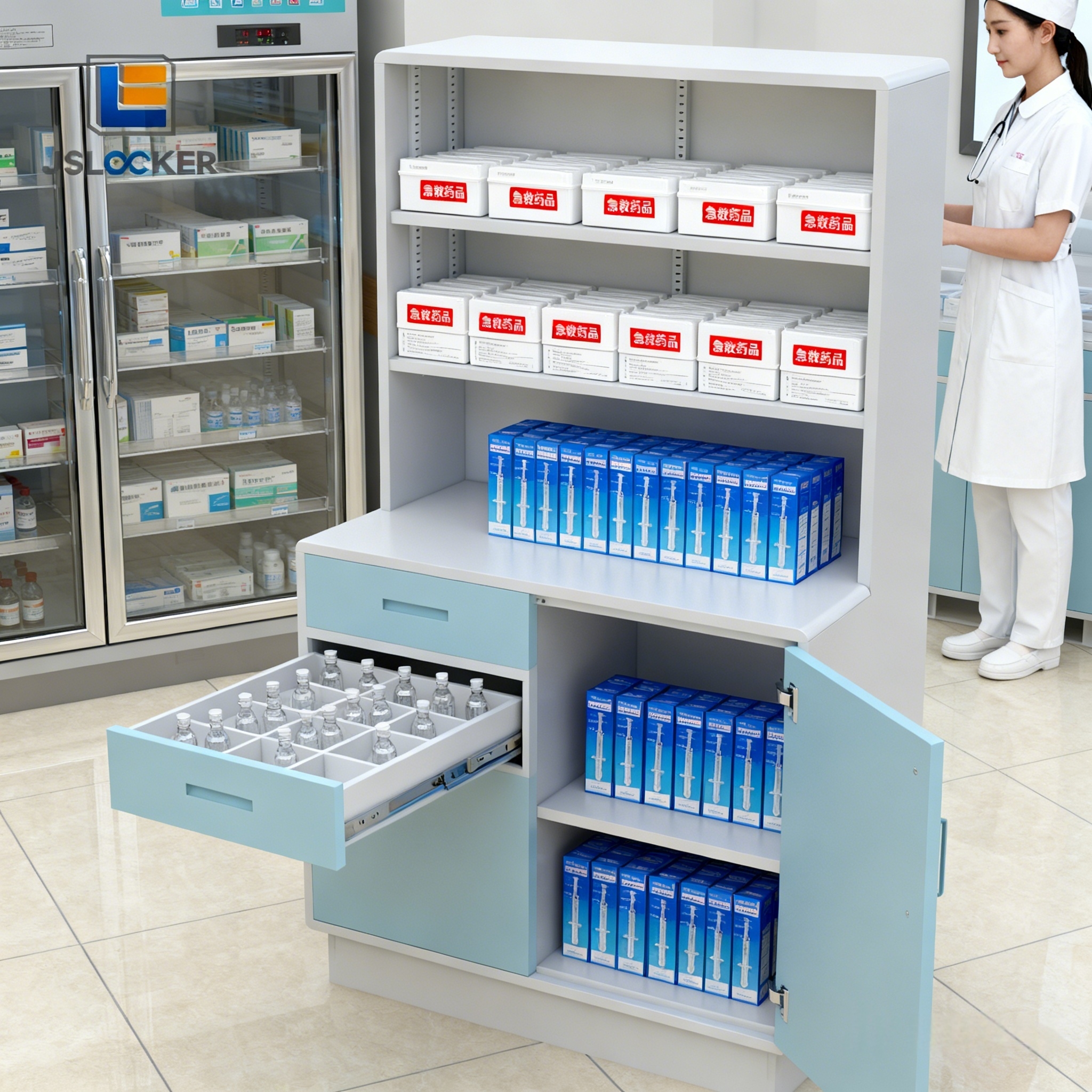
Core Advantages: Ensuring Safety and Efficiency
Investing in purpose-built medicine storage cabinets delivers unparalleled benefits that directly impact care quality and operational integrity.
1. Enhanced Security and Controlled Access
The paramount advantage is secure medication storage. Professional cabinets are equipped with robust, often centralized locking systems to prevent unauthorized access to controlled substances and high-value pharmaceuticals. This makes them a fundamental narcotics cabinet or controlled drug cabinet, ensuring compliance with strict regulations and providing a verifiable secure chain of custody for all medications, which is a critical patient safety feature.
2. Optimized Organization and Workflow Efficiency
Designed for the clinical environment, these cabinets promote efficient medical organization. Features like adjustable glass or steel shelves, labeled compartments, and dedicated spaces for IV supplies or medication carts allow for logical categorization. This organization enables healthcare providers to locate items quickly, reducing retrieval time and minimizing errors during time-sensitive situations, thereby streamlining the clinical workflow.
3. Superior Durability, Hygiene, and Compliance
Built as hospital-grade cabinets, they are constructed from stainless steel or powder-coated steel with seamless welds. This ensures a durable, chemical-resistant, and easy-to-disinfect surface that meets stringent infection control protocols. Their design and construction often comply with relevant healthcare standards, making them a reliable compliant storage solution for regulatory audits.
4. Specialized Storage for Sensitive Items
Many models offer integrated refrigeration or are designed as standalone medication refrigerators for storing temperature-sensitive drugs like vaccines and insulins. Others provide protected storage for light-sensitive medications, ensuring the potency and efficacy of the pharmaceuticals stored within.
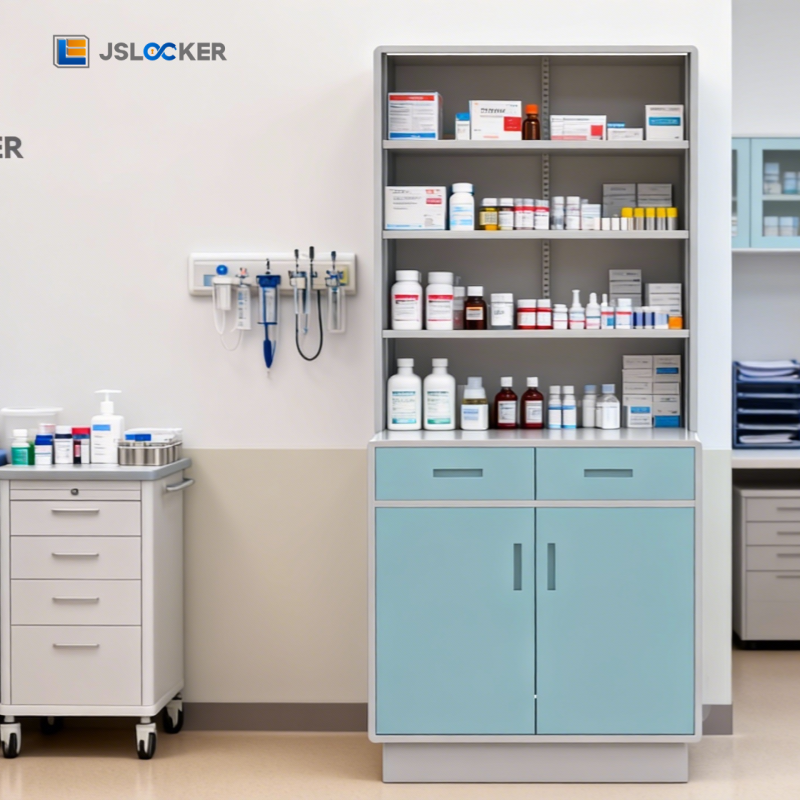
Multi-Layout Configurations for Every Clinical Space
The modern medicine cabinet system is highly adaptable, with configurations designed for specific departmental layouts and storage volumes.
By Installation & Mobility:
* Wall-Mounted Medicine Cabinets: Space-saving wall cabinet units, ideal for exam rooms, nurses' stations, or above preparation areas, providing immediate access to commonly used items.
* Floor-Standing Pharmacy Cabinets: Larger, freestanding storage cabinets that serve as the primary storage hub in a pharmacy, clinic stockroom, or on a hospital ward. These often feature a combination of locking doors and drawers.
* Mobile Medication Carts: While not static cabinets, mobile medicine carts with locking compartments function as portable, secure dispensaries for scheduled medication rounds or anesthesia.
By Function and Specialty:
* Anesthesia & Procedure Carts: Specialized anesthesia workstations or procedure carts with organized trays and locked narcotic compartments for the operating room or procedure suites.
* Narcotics Storage Cabinets: Heavy-duty, highly secure double-lock narcotics cabinets designed exclusively for storing controlled substances, often featuring meticulous audit trail requirements.
* Pharmacy Stock Cabinets: The backbone of the hospital pharmacy, these large modular pharmacy shelving systems or closed cabinet units manage bulk medication inventory in a secure, organized manner.
By Department & Application:
* Patient Room Cabinets: Bedside medication lockers or compact wall units in patient rooms for storing individual patient medications.
* Emergency Department Cabinets: Durable, well-organized cabinets in the ER, often designed for rapid access to critical lifesaving drugs and supplies.
* Clinic & Outpatient Cabinets: Streamlined storage solutions for smaller clinics and doctor's offices, balancing security with accessibility for daily use.
